
All Clinical & Diagnostics articles – Page 5
-
 News
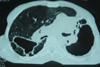
NewsBronchiectasis and NTM Research Registry data featured in four World Bronchiectasis Conference abstracts
The Bronchiectasis and NTM Association announced that research leveraging data from the Bronchiectasis and NTM Research Registry was featured in four abstracts presented at the World Bronchiectasis Conference.
-
 News
NewsNew study advances dry mRNA vaccine patch design
New research could help make future mRNA vaccines easier to store and distribute. The study identified conditions that help protect the particles that carry mRNA in dry vaccine patches, offering practical guidance for future patch design.
-
 News
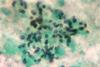
NewsFrom infancy to old age, nationwide China study maps how serious lung infections change across life stages
An analysis of 695,142 hospitalized patients identifies eight life-stage pathogen profiles, three co-detection networks, and marked male predominance in bacterial and fungal infections.
-
 News
NewsThe respiratory microbiota in lung cancer: from dysbiosis and immunomodulatory networks to therapeutic opportunities
A comprehensive review reveals that dysbiosis of the respiratory microbiota drives lung cancer through four integrated pathways: oncogenic signaling, epigenetic/metabolic reprogramming, and chronic immune dysregulation.
-
 News
NewsBiomarkers may someday help clinicians better detect Borrelia burgdorferi infections
Current tests for Lyme disease often miss infections during the early critical window and cannot tell whether bacteria are still present or were cleared years ago. New research suggests that anti-lipid antibodies may address these shortcomings.
-
 News
NewsCase study: Fatal rabies in a child
Ontario’s first case of fatal rabies since 1967 provides critical guidance to help prevent death from rabies in future instances. The parents agreed to share their son’s case to help raise awareness of rabies.
-
 News
NewsRight versus left: Colorectal cancer’s two microbial worlds
New research reveals that the mucosal microbiome varies dramatically depending on whether a tumor arises on the right or left side of the colorectum, suggesting that the microbial environment surrounding tumors may be as geographically distinct as the tumors themselves.
-
 News
NewsInternational Photodynamic Association highlights expansion of photodynamic therapy
The International Photodynamic Association (IPA) convened global leaders in photodynamic therapy (PDT) at the 8th Photodynamic Day, highlighting the continued development of PDT in Türkiye and its growing clinical relevance internationally.
-
 News
NewsDiscovery of severe pneumonia subtypes could lead to tailored treatments for life-threating disease
New research shows that severe pneumonia has three different subtypes, helping explain why some patients in intensive care units (ICUs) recover quickly, while for other patients the disease can be life-threatening.
-
 News
NewsResearch team awarded NIH grant to study congenital CMV transmission during pregnancy
A research team has received a new 5-year, $3.87 million R01 grant from the National Institutes of Health (NIH) to investigate how the immune system protects against congenital cytomegalovirus (CMV) infection.
-
 News
NewsAntibiotic use for uncomplicated diverticulitis remains widespread despite guideline shifts
A retrospective cohort study found that antibiotic prescribing rates for outpatient cases of uncomplicated diverticulitis remain above 95%, despite guidelines from 2015 recommending more selective use.
-
 News
NewsAlgae microbots take aim at bladder cancer
Tiny algae-based robots guided by magnets could improve bladder cancer treatment by boosting delivery of chemotherapy drugs into tumours. Tracked using real-time imaging, the miniature robots help drugs penetrate deep into tumour tissue while limiting damage to healthy cells.
-
 News
NewsThe hidden danger of cat lick – a case report with reconstruction
Capnocytophaga canimorsus is a bacterium found in the mouths of dogs and cats. It can cause severe sepsis, and in some cases leads to purpura fulminans (PF), a condition that triggers rapid tissue necrosis.
-
 News
NewsTherapeutic vaccine shows mixed efficacy in preventing head and neck cancer recurrence
Researchers explore the effectivity of new therapeutic cancer vaccine in preventing the recurence of human papillomavirus triggered cancers.
-
 News
NewsMetformin given during acute COVID-19 infection reduced risk of clinician-diagnosed long Covid by 50%
New findings from the ACTIV-6 randomized clinical trial provide important confirmation of prior clinical trial results that metformin, a widely available and inexpensive medication with an established safety record, reduced the risk of clinician-diagnosed long COVID when started during acute COVID-19 infection.
-
 News
NewsGut bacteria linked to osteoporosis risk in primary hyperparathyroidism
Researchers studying primary hyperparathyroidism, a common endocrine disorder characterized by excessive secretion of parathyroid hormone, have identified Bifidobacterium longum as a potential microbial driver of bone loss through immune-mediated mechanisms.
-
 News
NewsAntibody clues could improve long Covid care and prognosis
Researchers have found that SARS-CoV-2 antibody patterns may help assess infection history, symptom severity, and cognitive complications in long Covid.
-
 News
NewsResearchers investigate the underlying causes of post-treatment Lyme disease syndrome
With an estimated one million Americans afflicted with post-treatment Lyme disease syndrome, newly funded research seeks to determine whether the condition is triggered by a persistent autoimmune response, and if a test can be devised to pinpoint who is more likely to develop it.
-
 News
NewsChina’s psittacosis knowledge gap: A scoping review calls for coordinated action
Psittacosis—a bacterial pneumonia transmitted from birds to humans—is experiencing a notable resurgence in China. A new review presents a sobering picture: psittacosis is epidemiologically substantive, clinically serious, and chronically underserved by institutional resources and public health infrastructure.
-
 News
News Bruke showcases expanding Microbiology & Infection Diagnostics portfolio at ASM Microbe 2026
At ASM Microbe 2026, Bruker Corporation’s Microbiology & Infection Diagnostics (BMID) division demonstrated its expanding portfolio and innovations across microbial identification, sepsis diagnostics, molecular testing, and NGS workflows, advancing clinical research, and faster, actionable infectious disease diagnostics.