
All Clinical & Diagnostics articles – Page 4
-
 News
NewsVanderbilt health evaluating vaccine for C. difficile for people 65 and older
Investigators are enrolling participants in a Phase 3 clinical trial testing an investigational vaccine against Clostridioides difficile, a contagious bacterial infection of the colon.
-
 News
NewsCould preventing shingles also help prevent dementia?
A new study finds that older adults who received a shingles vaccine had a 24% lower risk of developing dementia over four years. The findings add to growing evidence that preventing shingles may also protect against neurological disease.
-
 News
NewsMen more likely to be infected with TB than women
Men are more likely than women to catch tuberculosis, finds a new study. Researchers found that men were more likely than women to already have a TB infection when the study began, but men were not significantly more likely to develop active TB disease than women.
-
 News
NewsLong-acting therapies continue to gain momentum in HIV, says GlobalData
The next phase of competition in the HIV market will be defined not only by achieving viral suppression, but improving treatment adherence, reducing medication burden and delivering more convenient treatment options, says a new analysis.
-
 News
NewsObesity drug significantly reduces the risk of infections and serious cardiovascular events
Tirzepatide, marketed under the brand name Mounjaro, could reduce the risk of heart attacks and hospitalizations due to infections in people with type 2 diabetes by by about one-third when compared with a conventional diabetes medication.
-
 News
NewsWidely used early warning score may help guide the urgency of antibiotic treatment for suspected sepsis
Large cohort study suggests the National Early Warning Score (NEWS2) may provide a more comprehensive framework than current guidance for determining which patients with suspected sepsis benefit from immediate antibiotics.
-
 News
NewsIntratumoral Fusobacterium as a prognostic and predictive biomarker in resectable colorectal cancer
Research supports the use of Fusobacterium as a prognostic and predictive biomarker in patients with resectable stage I–III CRC. Its presence was associated with more aggressive disease, a weaker immune response, and limited benefit from adjuvant chemotherapy.
-
 News
NewsEffect of a novel enteral nutrition mixture with probiotics versus standard enteral nutrition on gastrointestinal complications in critically ill surgical patients
A randomised controlled trial conducted in critically ill patients recovering from abdominal surgery found that a novel probiotic-enriched tube feeding formula reduced serious gut complications dramatically compared to standard enteral nutrition.
-
 News
NewsHighly reliable LFIA based on selenium nanoparticle reveals long-term real-world dynamics of neutralizing antibodies against SARS-CoV-2
SDS modified selenium nanoparticles enable reliable lateral flow immunoassay, showing that neurological and hematological patients lose vaccine induced immunity much faster.
-
 News
NewsNew blood test for tuberculosis could reduce the spread of this top global infectious-disease killer
A new study found that a simple blood test could accurately identify tuberculosis (TB) — a leading cause of death worldwide — among patients with varying degrees of exposure to the disease.
-
 News
NewsNew research identifies potential early indicator of Johne’s disease exposure in calves
New research has found that antibodies against Johne’s disease can be detected in the blood of newborn calves after they have received colostrum from their mothers. Antibody measurements could provide a way to determine when calves are first exposed to the disease.
-
 News
NewsResearchers develop automated system to accelerate outbreak detection and disease surveillance
Biomedical engineers have developed a fully automated workflow that simplifies and accelerates the preparation of bacterial samples for genetic sequencing. The method streamlines a critical bottleneck in the genetic sequencing process.
-
 News
NewsMultisite test strip boosts mosquito-borne virus detection
A research team has developed a multisite bridging-mediated lateral flow immunoassay (mbLFIA) that enables highly sensitive, portable detection of mosquito-borne viruses, using Chikungunya virus (CHIKV) as a model target.
-
 News
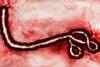
NewsPartners launch development of a portable rapid diagnostic system for Ebola virus disease
Professor Yasutoshi Kido of the Graduate School of Medicine, Osaka Metropolitan University (OMU), in collaboration with K.K. DNAFORM and the National Institute for Biomedical Research (INRB) of the Democratic Republic of the Congo, is developing a portable rapid diagnostic system for Ebola virus disease (EVD) caused by Bundibugyo virus (BDBV). ...
-
 News
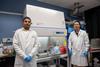
NewsAt-home, lab-quality HIV tests awarded $1.3 million for development
A new two-year, $1.3 million award will help researchers advance a proof-of-concept work toward commercialization of at-home HIV tests sensitive enough for early diagnosis comparable to—or exceeding—lab standards.
-
 News
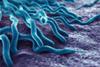
NewsAnother tick-borne disease to avoid: anaplasmosis in Canada
Move over, Lyme disease — there’s another tick-borne disease to worry about in Canada. Anaplasmosis, the second most common tick-borne disease in the country, can cause a range of health issues, including myocarditis, as a practice article shows.
-
 News
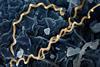
NewsWhen a lip ulcer isn’t what it seems: Rare case of syphilis mistaken for mouth injury
Any lip ulcer that is painless, firm, and persists beyond two to three weeks should prompt syphilis testing, even if the presentation does not fit the typical genital picture, warn scientists presenting an unusual case study.
-
 News
NewsNew antiseptic capable of eliminating 99.9% of Candida parapsilosis cells
A 0.5% alcohol-based chlorhexidine antiseptic, combined with the natural organic compounds eugenol and menthol, can eliminate 99.9% of Candida parapsilosis cells. This fungus is one of the leading causes of infections in hospital settings.
-
 News
NewsGut microbiota can predict risk of type 2 diabetes years before it develops
The presence of certain bacteria in the gut microbiota, and fluctuations in a person’s metabolism, can be seen in people who go on to develop type 2 diabetes years later, paving the way for identifying people at risk of developing type 2 diabetes at an early stage.
-
 News
NewsA bacterium capable of predicting the course of a disease
A research team made use of the bacterium’s natural capabilities without altering it genetically. Using plasma samples from patients with COVID-19, they were able to distinguish patients likely to develop a mild form of the disease from those at risk of progressing to a severe form.