
All Clinical & Diagnostics articles – Page 7
-
 News
NewsPegylated interferon-based treatment improves response rates in immune-tolerant patients with chronic hepatitis B
A new study aimed to investigate the efficacy and predictive factors of a pegylated interferon (Peg-IFN)-based treatment strategy in IT patients with chronic HBV infection.
-
 News
NewsHPV self-collection boosts cervical cancer screening rates
The first major U.S. rollout of HPV self-collection shows benefits for patients and providers, including fewer pelvic exams and better follow-up for HPV-positive results.
-
 News
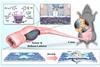
NewsHost-based antifouling gold nanotube sensor for the selective detection of mechanically sensitive serotonin release in intestinal mucosa
A new study report a stretchable electrochemical sensing platform with high deformation insensitivity and strong antibiofouling capability. The platform enables in situ capture of dynamic small-molecule chemical signals in the gut, and revealed a new mechanism underlying enhanced intestinal mechanosensation under microbe-related stimulation.
-
 News
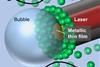
NewsOptical method concentrates microscopic targets for faster, more sensitive detection
Researchers have developed a light-driven technique that quickly amasses thousands of bacteria into a single spot, boosting detection speed and sensitivity. Their approach paves the way for earlier diagnosis of disease.
-
 News
NewsEstablishing a regulatory framework for phage therapy in China
A new study summarizes the current regulatory frameworks for phage therapy in Western countries and China, and proposes a pathway for establishing a regulatory framework that enables safe and effective clinical application of phage therapy in China.
-
 News
NewsImplantable living materials autonomously deliver therapeutics using contained engineered bacteria
Researchers have introduced an implantable “living material” that contains bacteria that sense infections. It can release these therapeutic molecules on demand, while keeping them physically separated from the surrounding tissue.
-
 News
NewsWhy babies are dying and how we can stop it
A study has identified that the vast majority of neonatal deaths caused by infections in South Africa and other low-and-middle-income countries could be prevented through improved clinical care and targeted medical interventions.
-
 News
NewsIgG fucosylation linked to severe COVID-19 progression and traditional Chinese medicine therapy
A new study has uncovered that immunoglobulin G (IgG) fucosylation, a critical type of protein glycosylation, is closely associated with the progression of severe COVID-19, offering new insights into disease pathogenesis and potential therapeutic strategies.
-
 News
NewsResearchers find increased bacteria infection in patients with chronic lung disease
A new study has found that people with bronchiectasis and chronic sinus disease were more likely to have mucus samples that tested positive for Pseudomonas aeruginosa. It suggests that doctors caring for patients with bronchiectasis may need to pay closer attention to sinus disease and bacterial testing.
-
 News
NewsResearchers develop realistic ‘mock’ samples to speed cervical cancer test development
A team of bioengineers has developed a new way to create highly realistic “mock” patient samples that could help accelerate the development of faster, more accessible cervical cancer screening tests for low-resource settings.
-
 News
NewsEurope advances genomic surveillance of CCRE with landmark multi-country study
New survey results provide the most comprehensive genomic picture to date of carbapenem- and/or colistin-resistant Enterobacterales (CCRE) across hospitals in Europe.
-
 News
NewsBronchiectasis and NTM Care Center Network expands to 62 centers
The Bronchiectasis and NTM Association has accepted one new Care Center and three new Clinical Associate Center sites into the Bronchiectasis and NTM Care Center Network (CCN). The CCN includes 62 centers across the United States.
-
 News
NewsLAMECS 2026 set to bring the next generation of microbiologists to Manchester
The future of applied microbiology takes centre stage in Manchester next month as the Letters in Applied Microbiology Early Career Scientist Research Symposium (LAMECS) returns for its fifteenth year.
-
 News
NewsFrom Helicobacter pylori to the AMR crisis: our interview with JAM Microbiology in Health and Disease Lead Editor Liang Wang
We get to know Professor Liang Wang, who has just been appointed as new Lead Editor in Microbiology in Health and Disease at the Journal of Applied Microbiology.
-
 News
NewsFDA approves early warning system for sepsis
An early warning system for sepsis, one of the deadliest infections for hospital patients, has been approved for use by the FDA, one of the first AI-based medical tools to get clearance. The tool detects sepsis hours faster than doctors and has reduced deaths by nearly 20%.
-
 News
NewsData hidden in tuberculosis screening tests sheds light on patients’ overall mortality
Researchers have uncovered a tool to study immune function of larger populations of patients, using a lab test that physicians already use regularly: tuberculosis screening tests called interferon gamma release assays (IGRAs). It could indicate how well an immune system can mount a response to an array of threats.
-
 News
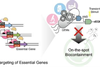
NewsResearchers develop next-generation CRISPR biocontainment technology for controlling microbial survival without DNA cleavage
Researchers have employed a CRISPR-dCas9-based base editing system capable of introducing precise nucleotide changes without inducing DNA double-strand breaks. The researchers targeted the start codons of essential genes and irreversibly disrupted their function, permanently blocking cell survival.
-
 News
NewsPregnant women’s mental images are directly linked to vaccine hesitancy and uptake
When pregnant women think about vaccinations, many experience vivid mental images – such as a sick baby in hospital – that have a direct link to their opinion of the vaccine and whether they ultimately have it, new research has shown.
-
 News
NewsExpanded tuberculosis screening does not speed up treatment initiation or improve survival in hospitalized patients with HIV
According to the EXULTANT trial, adding molecular tests on sputum, urine and stool samples does not appear to outperform the standard WHO-recommended diagnostic approach.
-
 News
NewsTuberculosis risk: promising approaches for screening and prediction
It is currently difficult to detect TB in its early stages, or predict who will go on to have TB, and therefore preventive treatment is not widely used. Researchers assessed whether a blood-based 3-gene host-response test can detect active tuberculosis and help predict future disease.