Huahui Health has recently secured conditional approval from China’s National Medical Products Administration (NMPA) for Huayunuo (Libevitug Injection), marking it as the first domestically developed monoclonal antibody (mAb) drug for chronic hepatitis D virus (HDV) infection in adults with or without compensated cirrhosis.

8153_lores

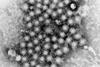
Source: CDC/ E.H. Cook, Jr.

Transmission electron microscopic (TEM) image revealing numerous hepatitis virions, of an unknown strain. There are five identified types of viral hepatitis.

This move not only addresses a critical treatment gap but also signals China’s growing innovation leadership in high-burden infectious diseases, says GlobalData, a leading intelligence and productivity platform.

HDV is a satellite virus that requires hepatitis B virus (HBV) for its replication and therefore infects only individuals who are co-infected with HBV. Chronic HDV–HBV co-infection leads to a higher risk of cirrhosis and liver cancer compared to HBV mono-infection. According to the World Health Organization (WHO), HDV affects nearly 5% (an estimated 12 million globally) of people with chronic HBV infection.

Huayunuo is a human mAb targeting the PreS1 domain of the large envelope protein of HBV and HDV, thereby blocking viral entry into hepatocytes. The drug previously received breakthrough therapy designation from both the Center for Drug Evaluation (CDE) of China’s NMPA and the US FDA.

Clinical trial

The approval was supported by the results from the Phase IIb clinical trial HH003-204, demonstrating Huayunuo maintains satisfactory safety and tolerability profile. By week 48 the combined response rate increased in both dose groups, reaching 42.5% and 44.1% in the 20 mg/kg and 10 mg/kg groups, respectively, while the rate in the control group remained at 5.0%.

Furthermore, across both Huayunuo treatment groups, participants achieved a HDV RNA virological response rate of 60% and an alanine aminotransferase (ALT) normalization rate of 70%, alongside significant and sustained improvement in liver stiffness.

Bobbili Stella Catherin, Pharma Analyst at GlobalData, comments: “The treatment options for HDV patients have been extremely limited in China, often involving off-label use of Pegylated interferon-alpha (Peg-IFN-alpha). Huayunuo offers new hope to patients who have long faced limited options.”

According to GlobalData, the only other drug approved for HDV in any market is Gilead Science’s Hepcludex (Bulevirtide), which has been approved in various European markets, Canada, and Australia.

Drugs in development

There are also 13 drugs in clinical development for HDV worldwide: four in Phase III, five in Phase II, three in Phase I and one drug currently in Pre-registration stage. This includes five monoclonal antibody drugs, of which two are in Phase III, two are in Phase II, and one is in Phase I. Among the 10 companies in the clinical trial landscape, there are three companies headquartered in China.

Catherin concludes: “Since HDV only occurs in individuals already living with HBV, the patient population has historically been underestimated, making it exceptionally difficult to identify and enroll diagnosed patients in clinical programs. However, the approval of Huayunuo finally provides a reason to implement reflex testing, a protocol that automatically screens for HDV whenever HBV is detected. By establishing a viable treatment path, this shift aims to improve diagnosis and treatment rates for viral hepatitis, ultimately reducing the incidence of liver cancer and lowering mortality across the region.”