
In a small study in the Democratic Republic of Congo, 6-week-old infants with healthy gut microbiomes were less likely to contract malaria in their first year of life.
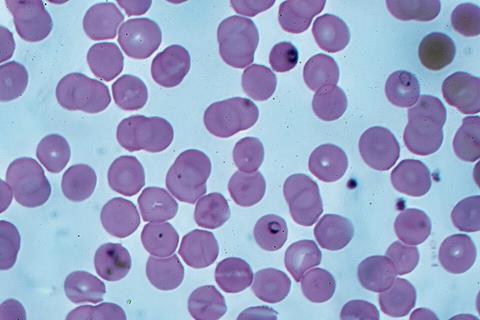
While the study is preliminary, it suggests the intriguing possibility that treatments such as probiotics could be protective against malaria, which kills more than 600,000 people a year, primarily children in sub-Saharan Africa. Potential clinical applications would require more research, however.
The work was led by researchers at the University of Florida in collaboration with the HEAL Africa Hospital in the eastern Democratic Republic of Congo, a country which accounts for more than 10% of all malaria deaths. Scientists tracked 47 mother-infant pairs and collected stool samples throughout the babies’ first year of life while monitoring for malaria infections.
“The microbiome at six weeks old was able to predict whether that infant was going to go on to have malaria at any time during the subsequent year of life,” said Julie Moore, Ph.D., a professor of infectious diseases in the UF College of Veterinary Medicine and senior author of the new report. “It’s way too early to propose that giving infants probiotics is something that should be done in malarious areas, but it’s certainly something that we can think about.”
Microbiomes and malaria
The work grew out of a collaboration between Moore and UF professors Christopher Dutton, Ph.D. and Connie Mulligan, Ph.D. Mulligan, a genetic anthropologist, has worked with the team at HEAL Africa Hospital since 2010. And Dutton and Moore had tested the relationship between microbiomes and susceptibility to malaria in animal models. Combining their expertise, the scientists asked whether a healthy gut could protect against malaria in babies.
They published their findings on June 22 in Frontiers in Cellular and Infection Microbiology.
Babies who remained malaria-free tended to have gut bacteria commonly associated with healthy development, particularly microbes typically found in breastfed infants. In contrast, infants who later developed malaria showed higher levels of bacteria more often linked to inflammation.
“We saw some of the usual suspects that we would expect in a healthy infant gut microbiome, like Bifidobacterium,” Moore said. “And then there are bad guys like Klebsiella, which are associated with an unhealthy gut.”
Beneficial microbes
The findings align with a growing body of research on gut microbes and human health. Scientists suspect that beneficial microbes help train the developing immune system, while less healthy microbial communities may leave infants more vulnerable to infections. But the exact link between gut microbes and infections like malaria remains unclear.
“The role of the infant gut microbiome in general, in terms of determining outcomes of any infection, is not very well understood,” Moore said.
The findings came with an important caveat. Babies who slept under insecticide-treated bed nets were also less likely to develop malaria. Because bed-net use — not just the gut microbiome — was also linked to malaria outcomes, the researchers say larger studies are needed to determine how much of the observed effect can be attributed to the gut microbiome itself.
Still, the results offer an intriguing glimpse into how a baby’s earliest microbial companions might influence health months later.
“The next study that I would love to do is to look at immune development in these infants and assess whether there are differences in their immune responses over the first year of life that track with differences in their gut microbiota,” Moore said.
Topics
- bed nets
- Bifidobacterium
- Christopher Dutton
- Connie Mulligan
- Early Life Microbiome
- Gut Microbiome
- HEAL Africa Hospital
- Immunology
- Infectious Disease
- Julie Moore
- Klebsiella
- malaria
- Middle East & Africa
- One Health
- Parasites
- Probiotics, Prebiotics & Synbiotics
- Research News
- University of Florida
- USA & Canada
- Veterinary Medicine & Zoonoses






No comments yet