AMI Member Survey reveals strong global engagement and growing demand for career support
Applied Microbiology International (AMI) has published the results of its 2026 Member Survey, revealing a highly engaged and increasingly international membership community, while highlighting new opportunities to strengthen accessibility, visibility and participation across the organisation.
- Previous
- Next


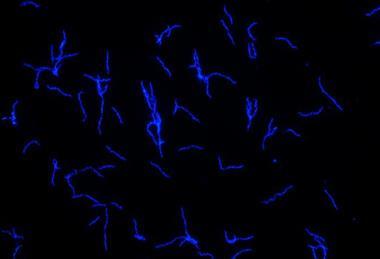
Losing the Earth’s bounty
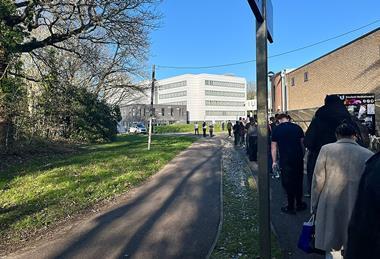
Farmland degradation and soil erosion have caused food shortages and the collapse of civilizations throughout human history. Today, soil degradation is a growing driver of global threats such as climate change, biodiversity loss, and food insecurity. Loss of soil, the resource that supports production of 95% of the food supply, ...
Read story
Bottling the extremes: culturing the hidden microbiomes of caves and deserts
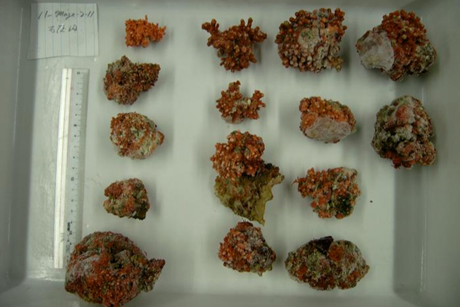
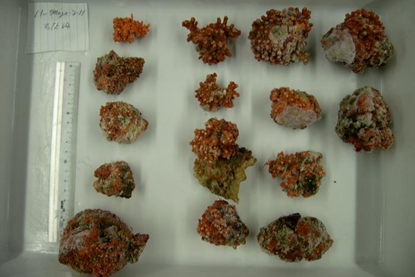
Imagine an environment so extreme that most life cannot survive: a pitch-dark cave deep beneath the mountains of Northern Spain, or a hyper-arid desert in Chile where rainfall is virtually non-existent. These are not lifeless wastelands. Beneath cave walls and within the dusty top layer of desert soils, thriving communities of cyanobacteria, green algae, and fungi quietly engineer their ecosystems: fixing carbon, weathering rock, and cycling nutrients in conditions that would defeat most organisms on Earth.

Equity and the response to Covid 19 - Preparing for the next pandemic in Aotearoa New Zealand
Aotearoa New Zealand enacted an effective response to the Covid-19 pandemic. The government approach to the first few cases in March 2020 was to implement a swift ‘go hard and go early’ response. Borders were closed to non-residents, lockdowns were enforced, and infection was effectively eliminated within 76 days of ...

Clinical considerations for the next pandemic: challenges facing Japan and strategic preparedness
Multiple global pandemics over the past century – the Spanish influenza (1918), Asian influenza (1957), Hong Kong influenza (1968), H1N1 influenza (2009), and COVID‑19 (since 2019) – have increasingly underscored the necessity for healthcare systems worldwide to be resilient, rapidly responsive, and forward‑facing.
Under the Lens video series
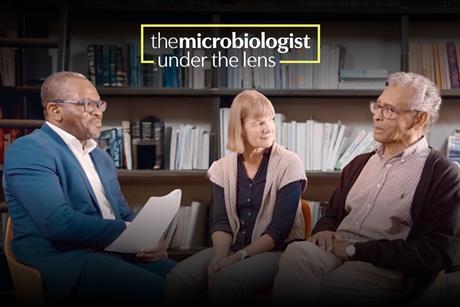
The Microbiologist: Under the Lens | Episode 3
Is raw milk safe to drink? Prof Emmanuel Adukwu is joined by Prof Nicola Holden and Dr Gil Domingue for a conversation on the societal, scientific, and health implications of this pertinent question.
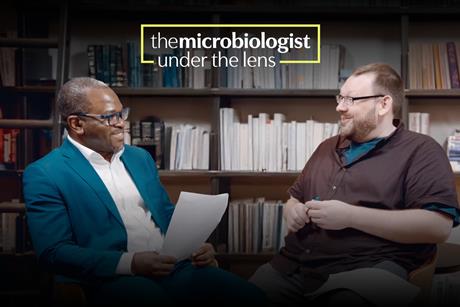
The Microbiologist: Under the Lens | Episode 2
In our second episode, Dr Callum Cooper joins Professor Emmanuel Adukwu to talk about all things bacteriophage, from alternatives to antibiotics, social impact, and regulation.
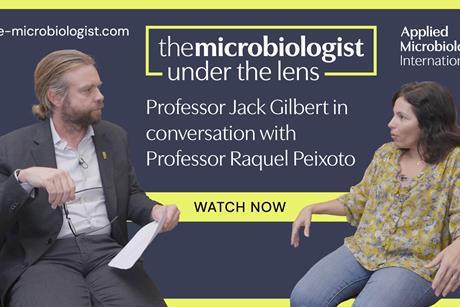
The Microbiologist: Under the Lens | Episode 1
In our first episode, Professor Raquel Peixoto joins Professor Jack Gilbert for a deep dive into coral reefs, microbes, and the future of our planet.
The Microbiologist: Under the Lens | Episode 3
The Microbiologist: Under the Lens | Episode 2
The Microbiologist: Under the Lens | Episode 1
Get unlimited access to The Microbiologist
The Microbiologist provides detailed information on the latest research, topics, reviews, events and news on a wide variety of microbiological topics.
Members of Applied Microbiology International get unlimited access as a benefit. Find out more about AMI Membership
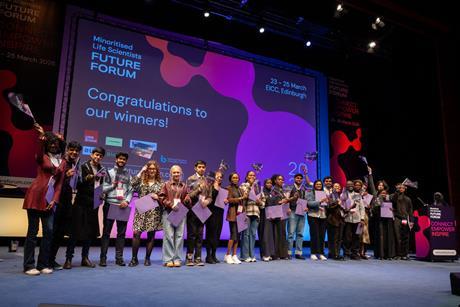
Building sector infrastructure: The MLSFF model
Members of the MLSFF Steering Committee explores the sustainability problem that plagues equity initiatives in STEM - and the solutions presented by the infrastructure partnership that delivers Europe’s only conference for minoritised life scientists.
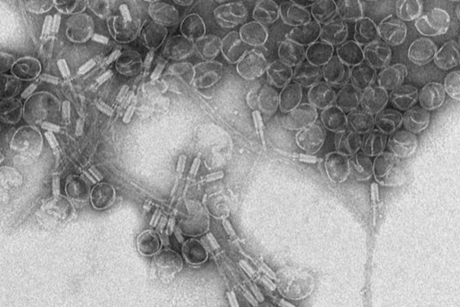
Fertile ground: The rise of soil viral ecology
Soil viral ecology has been one of the most neglected areas of microbiology, but technological advances are opening up fertile new frontiers, says AMI Healthy Land Advisory Group member and CNRS researcher Christina Hazard.
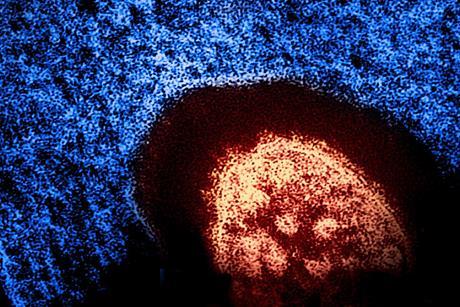
Reversing the threat: How to stop measles from spreading again
As the Global Virus Network issues a stark warning over the significant resurgence of measles in the US and globally, William J. Moss, Sten H. Vermund, and Maggie L. Bartlett set out what needs to be done if the preventable harms of the current surge are to be reversed.

Accessibility, visibility, and participation - what AMI’s 2026 survey reveals about the future of applied microbiology
Applied Microbiology International’s 2026 Member Survey paints a picture of an organisation with strong foundations, a genuinely global reputation, and a highly engaged membership community, particularly among early-career microbiologists.
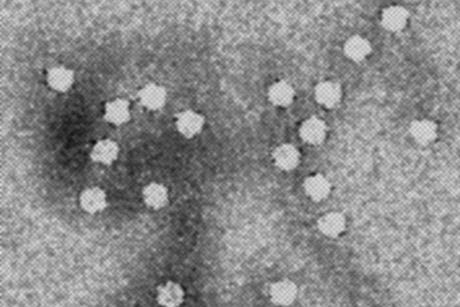
A week in the life of a Parvovirus researcher
Alejandro Fernández Llorente works as a predoctoral researcher at Centro de Biología Molecular Severo Ochoa (CBM-CSIC), a prestigious biomedical research centre located in Madrid, Spain.

From microbiome research to personalized cosmetics: The genesis of BYOME LABS
BYOME LABS was founded through the initiative of David Suissa, an entrepreneur trained at École Polytechnique and the Corps des Mines. After leading companies in the fields of perfumery and applied microbiology, he chose to structure a new approach centered on the biological evaluation of cosmetic products.

Sugar-free diets may disrupt gut microbiome
Eliminating sugar from your diet may be more detrimental than previously thought, according to an animal study. Mice fed a sucrose-free diet developed impaired glucose control, insulin resistance, gut microbial imbalance, intestinal inflammation and fatty liver changes, despite having no significant differences in body weight compared with control mice.
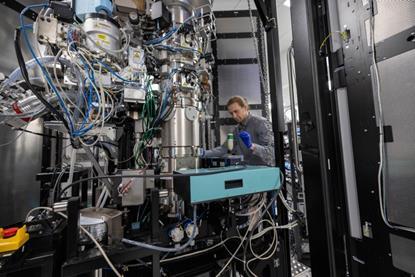
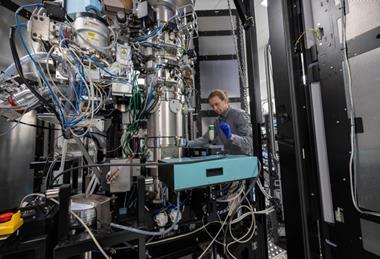
Microscope breakthrough will open unprecedented view into cells
In a landmark achievement in biological imaging, researchers have announced the successful demonstration of the laser phase plate, a novel device that dramatically improves the contrast of images produced by cryo-electron microscopes, opening up an entirely new view of human biology.
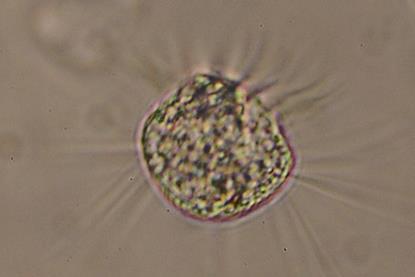
Exploring potential of virovory in combating harmful algal blooms
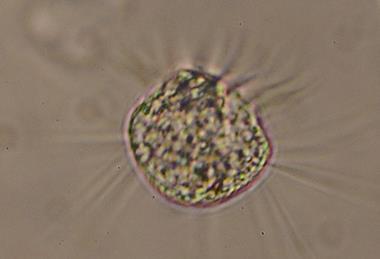
Toxic cyanobacterial blooms can close lakes, contaminate drinking water and pose risks to human health. A new project is exploring an unlikely tool for mitigating these blooms: virovory, the phenomenon of organisms eating viruses as a food source.
Food security
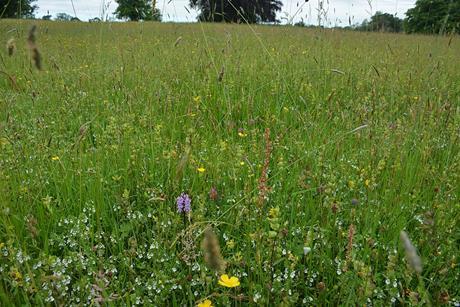
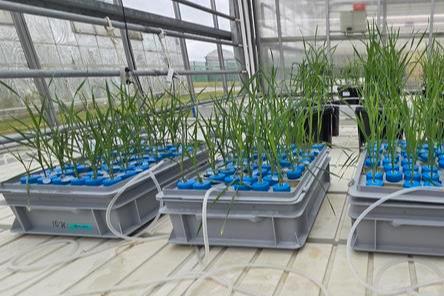
Degradable sensors reveal hidden soil secrets
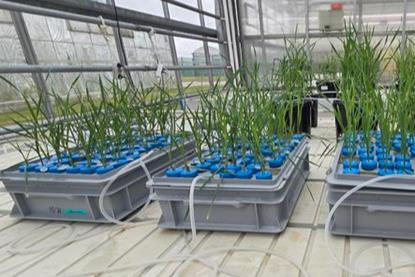
New degradable sensors being developed by soil scientists track biological activity in soil by having a degradable substrate that is nibbled on by microbes.
Clean Water
Exploring potential of virovory in combating harmful algal blooms
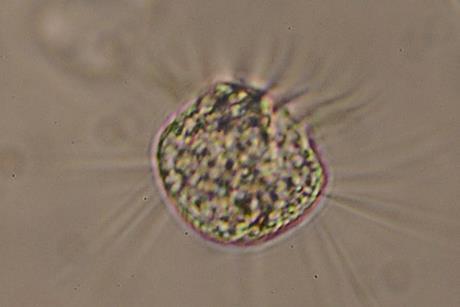
Toxic cyanobacterial blooms can close lakes, contaminate drinking water and pose risks to human health. A new project is exploring an unlikely tool for mitigating these blooms: virovory, the phenomenon of organisms eating viruses as a food source.
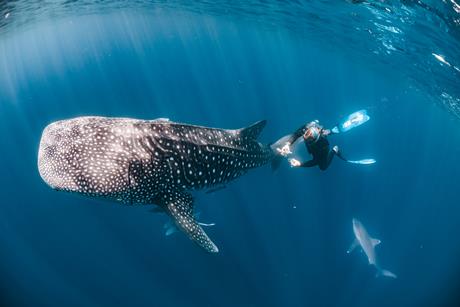
Microbial research captured among winning science images
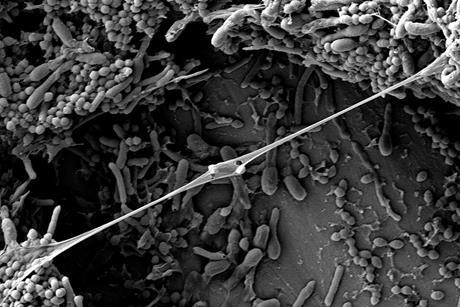
Microbial research features among some of the winning images in Nature’s 2026 Scientist at Work photography competition. Microbiome sampling of whale sharks, algal blooms, and a coral probiotics village feature among five spectacular images showcasing the diversity and challenges of scientific research.