
The Americas
The Americas News
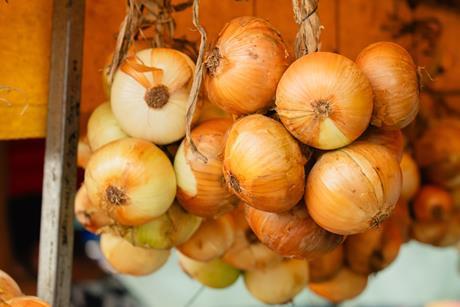
Weather and poultry litter shape E. coli survival in onion fields
How long can E.coli survive in the soil beneath an onion crop? A two-year field study suggests the answer depends not only on the type of poultry-based fertiliser used, but also on weather conditions such as humidity, rain, temperature and wind. The findings could help growers and regulators better assess food safety risks as extreme weather becomes more common.
- Previous
- Next

Bottling the extremes: culturing the hidden microbiomes of caves and deserts
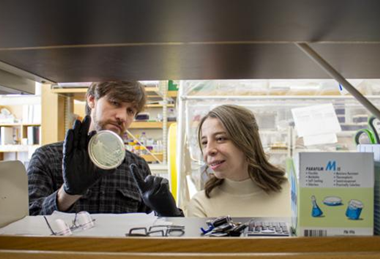
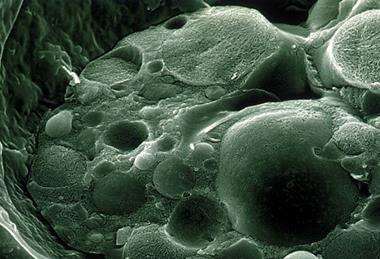
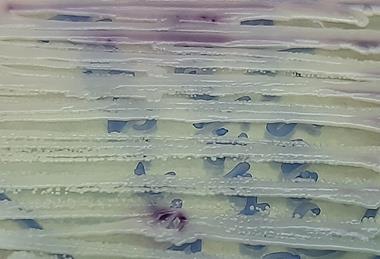
Imagine an environment so extreme that most life cannot survive: a pitch-dark cave deep beneath the mountains of Northern Spain, or a hyper-arid desert in Chile where rainfall is virtually non-existent. These are not lifeless wastelands. Beneath cave walls and within the dusty top layer of desert soils, thriving communities of cyanobacteria, green algae, and fungi quietly engineer their ecosystems: fixing carbon, weathering rock, and cycling nutrients in conditions that would defeat most organisms on Earth.
Read story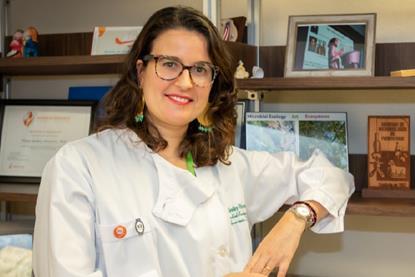
How Puerto Rico’s first microbiome research center can reshape global science collaboration
AMI’s Global Ambassador for the Americas, Dr. Filipa Godoy-Vitorino, Chair of the Department of Microbiology at the University of Puerto Rico, reveals why she is spearheading the planned Puerto Rico Center for Microbiome Sciences (PR-CMS)—the first of its kind in the region.
Whose culture is it? Rethinking the study of traditional fermented food microbiomes
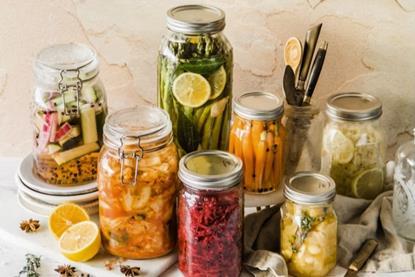
When microbiologists study traditional fermented foods, are we simply documenting natural biodiversity, or are we also accessing a form of cultural heritage, asks Tara Spencer-Drakes, PhD.

Federal research rule changes could reshape applied microbiology in America
On June 5, 2026, the Office of Management and Budget (OMB) proposed sweeping changes to federal grant administration that would fundamentally alter how applied microbiology research and development is funded and conducted in America.
We couldn’t get people interested in science - until we started speaking their language
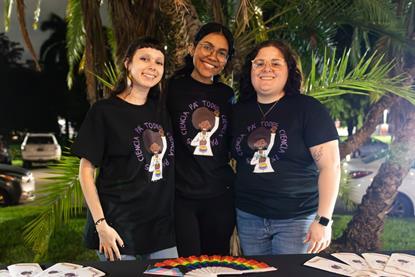
In 2020, Puerto Rico faced a misinformation crisis. Melanie Ortiz Alvarez De La Campa reveals how five STEM undergraduates created a sci-comm organization that helped pass legislation, educated thousands, and created an inclusive database of Caribbean scientists.
Pride in Microbiology Network: the road so far
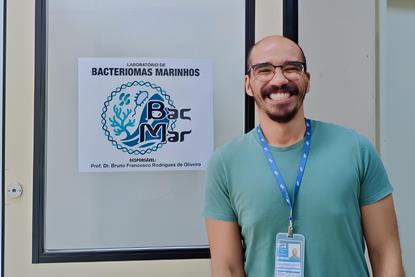
Bruno Francesco Rodrigues de Oliveira, a founding member of the Pride in Microbiology Network, reveals how it has developed since it was launched three years ago - and what needs to happen next.
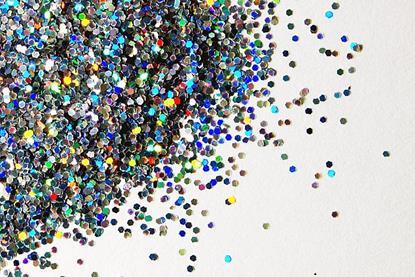
The problem of microplastics in the oceans: it’s time for effective solutions
Francielly Bruna Neto Francisco and Ricardo Henrique Krüger, from the University of Brasília (UNB), warn that we urgently need technologies that will effectively eliminate partially or nonbiodegradable polymers from the marine environment.
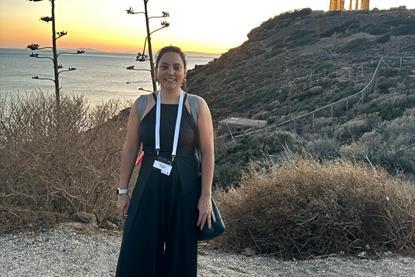
Q&A: Meet Letters in Applied Microbiology Junior Editor Verônica Ortiz Alvarenga
We caught up with Verônica Ortiz Alvarenga, a food engineer and Professor at Universidade Federal de Minas Gerais in Brazil, who is one of the newest Junior Editors with Letters in Applied Microbiology.
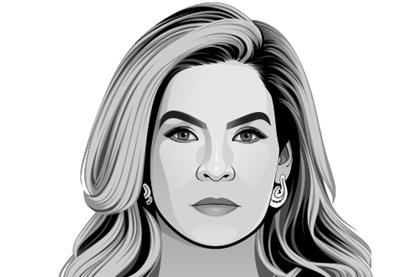
From microbial processes to biofilm control: our interview with LAM deputy editor Marciane Magnani
We catch up with food microbiologist Professor Marciane Magnani of the Federal University of Paraíba in Brazil who has just been appointed as a Deputy Editor of Letters in Applied Microbiology.
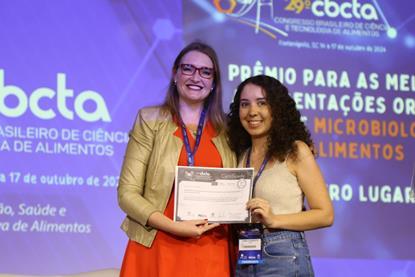
CBCTA 2024 oral presentation winners: Isabella and Lia take home the honours
Letters in Applied Microbiology sponsored the best oral presentation award at the 29th Brazilian Congress of Food Science and Technology (CBCTA 2024). Winner Isabella Bassoto Xavier and runner-up Lia Mariano Aquino take a dive into their research.
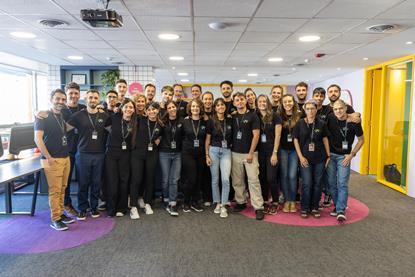
The Future is Fungi 2025: award-winner Michroma’s mission to harness fungi for clean food dyes and flavors
Winner of The Future is Fungi Award 2025, US and Argentina-based foodtech startup Michroma is replacing petrochemical coloring with fungibased natural ingredients, launching one of the world’s leading sustainable platforms for food flavors and colors. Here’s its story.

Silvani Verruck: my year as a Junior Editor with Letters in Applied Microbiology
One year after we launched our Junior Editor programme with Letters in Applied Microbiology, Professor Silvani Verruck of Federal University of Santa Catarina in Brazil tells us how she is getting on.
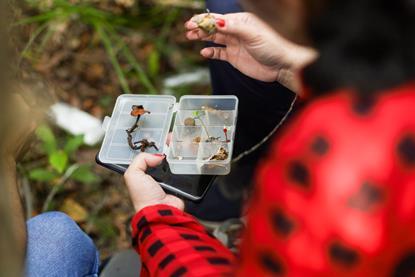
The role of fungi in the Amazonian bioeconomy
The term bioeconomy is entering the mainstream and has brought discussions on sustainable development into the spotlight, in particular for the Amazon region.