
UK & Europe
UK & Europe News
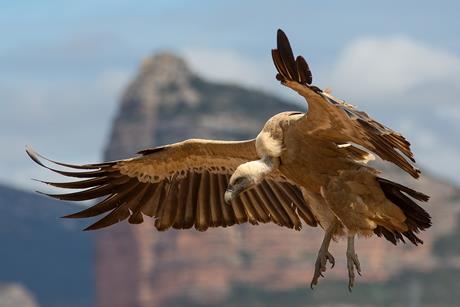
Vulture microbiomes vary, despite visiting same carrion
Researchers studying scavenging vulture species expected that species feeding on the same carcasses would have relatively similar microbiomes. Instead, they found substantial differences. Host species explained 18.1% of the variation in composition, compared with 8.9% explained by anatomical region.
- Previous
- Next

The living wooden cellar: microbiota of high-elevation artisanal cider in Slovenia
In the subalpine region of Carinthia, in northern Slovenia, cider is produced on remote family farms at altitudes of 500 to 860 metres - above the range in which the country’s vineyards operate. Here, cider-making is not a specialty product but a long-standing regional practice, historically shaped by a climate unsuited to winegrowing.
Read story
Can living materials build our net-negative future?
Conventionally engineered materials are typically manufactured through energy- and resource-intensive processes - but biological systems offer less energy-demanding alternatives along with potential for carbon capture, according to Ehsan Nikooee, Sajjad Deylaghian and Hamed Aghili.
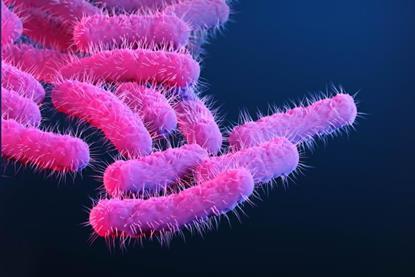
Shigella: A phenotypic genus in a genomic era
In an era where evolutionary relationships can be resolved down to the single-nucleotide level, Shigella stands out as a relic of phenotype-based classification: a label built on lost traits rather than shared ancestry. Yet the genus persists, defended by appeals to clinical utility, says Georgina Donovan.
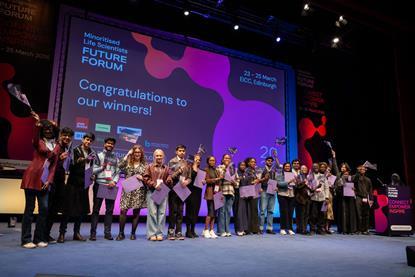
Building sector infrastructure: The MLSFF model
Members of the MLSFF Steering Committee explores the sustainability problem that plagues equity initiatives in STEM - and the solutions presented by the infrastructure partnership that delivers Europe’s only conference for minoritised life scientists.
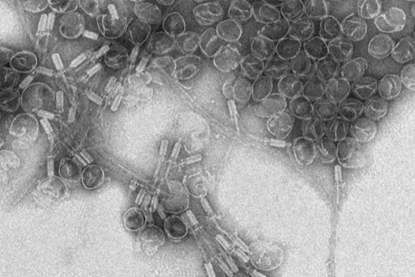
Fertile ground: The rise of soil viral ecology
Soil viral ecology has been one of the most neglected areas of microbiology, but technological advances are opening up fertile new frontiers, says AMI Healthy Land Advisory Group member and CNRS researcher Christina Hazard.
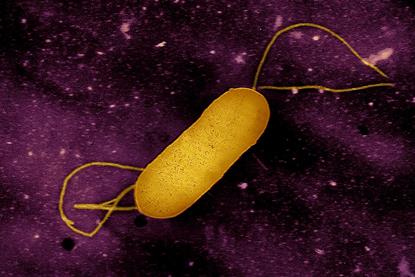
Listeria: the inconvenient truth that shaped our industry
Director General of the Chilled Food Association, Karin Goodburn MBE, who sits on AMI’s Food Security Advisory Group, reveals why the publication of new Listeria guidance for the UK food industry is regarded as a landmark moment.
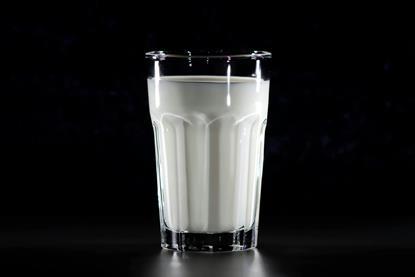
Safety and nutritional claims for raw milk
Robert F Kennedy Jr. famously advocates drinking raw milk and promotes its benefits. But how safe is unpasteurised milk? Nicola Holden and Gil Domingue, who sit on Applied Microbiology International’s Food Security Scientific Advisory Group, take a deep dive into the science.
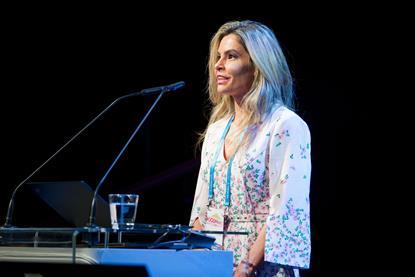
Food and innovation: Reflections from FOODMicro 2026
AMI Food Security Advisory Group member Professor Marciane Magnani, a Full Professor of Food Science at the Federal University of Paraíba (UFPB), Brazil, reflects on her experiences of FOODMICRO 2026 in Slovenia.
Meet the Global Ambassadors: our Q&A with Sanjib Bhakta
The Microbiologist gets to know our Global Ambassador for the UK, Professor Sanjib Bhakta who is Professor of Molecular Microbiology and Biochemistry at Birkbeck, University of London.

How a sceptic was won over: Charlotte Wilson on her internship with AMI
Fourth year PhD student Charlotte Wilson admits she was sceptical before she embarked on her PIPS internship with Applied Microbiology International’s Communications and Marketing Team - but here’s how it turned out.
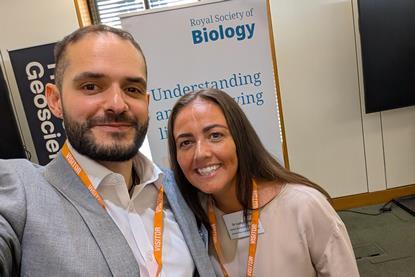
Trusting in science: Vito Latorre reports back on Parliamentary Links Day
University of East Anglia PhD student Vito Latorre shares his experiences of representing Applied Microbiology International at the Parliamentary Links Day in Westminster earlier this summer.
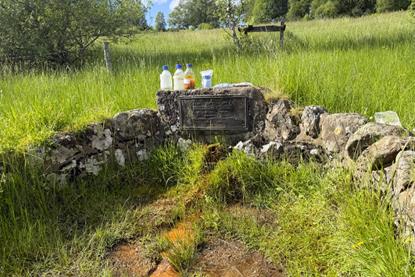
A day in the life: Discovering the hidden microbes of Britain’s historic waters
PhD student Wewerly Fernandes outlines her investigations into the microorganisms living in Britain’s historic wells and natural springs - once believed to hold healing properties and linked to legends of Merlin and renowned figures like Robert Burns.
Member Q&A: Thomas Thompson on the central role AMI has played in his research journey
Pharmacist and microbiologist Dr Thomas Thompson reveals how AMI membership has played a central role in reaching the point where he is about to start building his own research programme in the School of Pharmacy at Queen’s University Belfast.