Fungi that colonise human faeces: first scientific study lays the groundwork for myco-sanitation
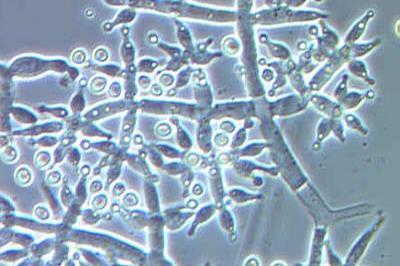
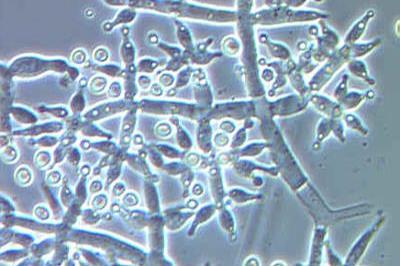
Filamentous fungi can colonise fresh human faeces, and the choice of fungal species shapes how the material changes, according to a new study. Depending on the species, the fungi accelerated degradation, reduced faecal indicator bacteria, suppressed faecal odour or changed the appearance of the material.
- Previous
- Next
Tracking the invisible: monitoring microbial processes in freshwater ecosystems using fluorescence sensing
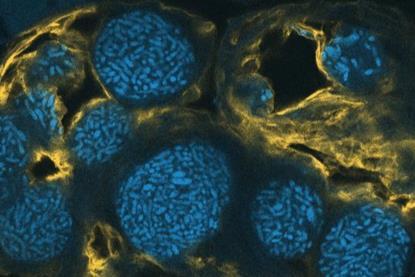
Rivers are dynamic ecosystems driven by microbial processes that regulate carbon and nutrient cycling, organic matter decomposition, and oxygen consumption. Despite their central role in river health, microbial processes remain mostly invisible in routine water quality monitoring programmes, which continue to focus primarily on physicochemical parameters.
Read story
How indigenous microbes could rescue the Niger Delta
Benzene contamination from decades of oil exploitation has turned the Niger Delta’s groundwater into a slow-acting poison for millions of people. Yet the solution may already be living in the contaminated sediment itself, if only the political will exists to deploy it.

Earth’s “little Marses”: how extremophiles are shaping astrobiology
There are places on our planet where the environmental conditions closely resemble those on Mars. These terrestrial analogues have become natural laboratories where scientists study the possibility of extraterrestrial life.

Can monolaurin help fight superbugs?
Among the many naturally occurring antimicrobial compounds, glycerol monolaurate (GML), more commonly known as monolaurin, has attracted renewed interest because of its broad antimicrobial activity and potential role in addressing antimicrobial resistance (AMR).
Under the Lens video series
The Microbiologist: Under the Lens | Episode 4
The microscopic organisms living around plant roots may hold the key to reducing agriculture’s reliance on chemical fertilisers and other non-renewable inputs, according to plant microbiome researcher Dr Davide Bulgarelli.
The Microbiologist: Under the Lens | Episode 3
Is raw milk safe to drink? Prof Emmanuel Adukwu is joined by Prof Nicola Holden and Dr Gil Domingue for a conversation on the societal, scientific, and health implications of this pertinent question.
The Microbiologist: Under the Lens | Episode 2
In our second episode, Dr Callum Cooper joins Professor Emmanuel Adukwu to talk about all things bacteriophage, from alternatives to antibiotics, social impact, and regulation.
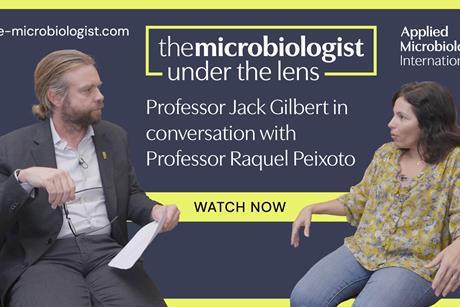
The Microbiologist: Under the Lens | Episode 1
In our first episode, Professor Raquel Peixoto joins Professor Jack Gilbert for a deep dive into coral reefs, microbes, and the future of our planet.
The Microbiologist: Under the Lens | Episode 4
The Microbiologist: Under the Lens | Episode 3
The Microbiologist: Under the Lens | Episode 2
The Microbiologist: Under the Lens | Episode 1
Get unlimited access to The Microbiologist
The Microbiologist provides detailed information on the latest research, topics, reviews, events and news on a wide variety of microbiological topics.
Members of Applied Microbiology International get unlimited access as a benefit. Find out more about AMI Membership
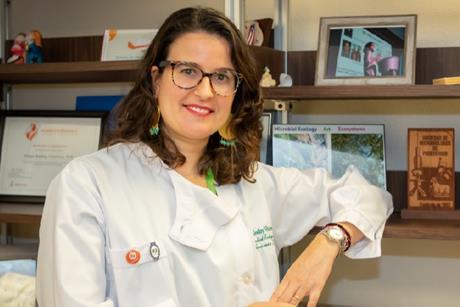
How Puerto Rico’s first microbiome research center can reshape global science collaboration
AMI’s Global Ambassador for the Americas, Dr. Filipa Godoy-Vitorino, Chair of the Department of Microbiology at the University of Puerto Rico, reveals why she is spearheading the planned Puerto Rico Center for Microbiome Sciences (PR-CMS)—the first of its kind in the region.
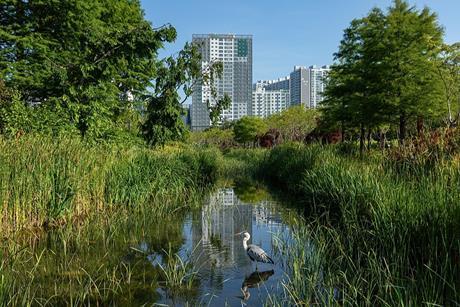
When do human-driven changes to wildlife microbiomes become a One Health concern?
Animals live in close partnership with communities of microbes that support digestion, immune development, and defence against pathogens, but human activities are changing those partnerships, says Katherine M. Lagerstrom.
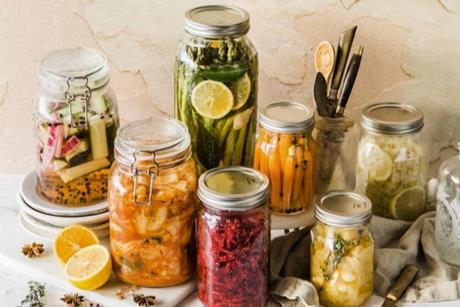
Whose culture is it? Rethinking the study of traditional fermented food microbiomes
When microbiologists study traditional fermented foods, are we simply documenting natural biodiversity, or are we also accessing a form of cultural heritage, asks Tara Spencer-Drakes, PhD.
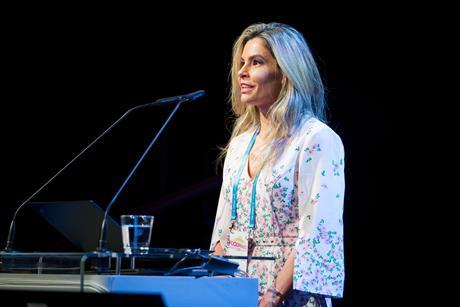
Food and innovation: Reflections from FOODMicro 2026
AMI Food Security Advisory Group member Professor Marciane Magnani, a Full Professor of Food Science at the Federal University of Paraíba (UFPB), Brazil, reflects on her experiences of FOODMICRO 2026 in Slovenia.

Horizon Award winners one year on: What are they up to?
The nominations for the Horizon Awards are in - and the judges are making their decisions. While we await the big announcement, we’ve been catching up with the superstars who won in 2025.

Meet the Global Ambassadors: our Q&A with Sanjib Bhakta
The Microbiologist gets to know our Global Ambassador for the UK, Professor Sanjib Bhakta who is Professor of Molecular Microbiology and Biochemistry at Birkbeck, University of London.
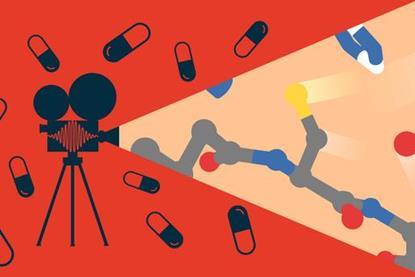
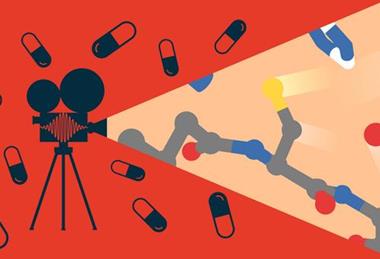
‘Molecular movie’ captures penicillin being built atom by atom
Scientists have captured the formation of penicillin’s defining β-lactam ring in unprecedented detail, revealing fleeting chemical steps that had remained hidden for decades. Using ultrafast X-ray imaging, the researchers built a molecular movie of the reaction that could help guide future antibiotic and enzyme design.
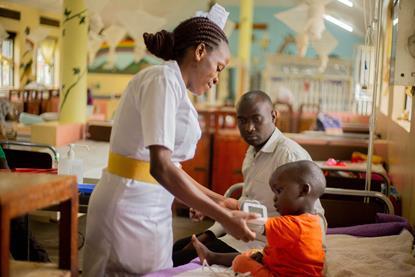
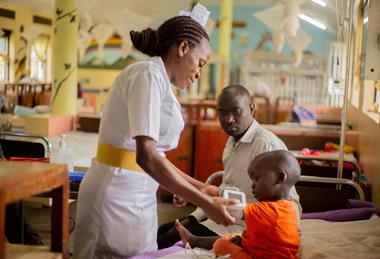
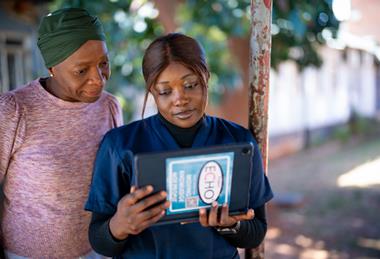
Malaria remains the leading cause of hospital admission and in-hospital death in children under two in Sierra Leone
Malaria remains the biggest threat to young children in Sierra Leone, accounting for more than half of hospital admissions in a large two-year study. Researchers also found that children who received all routine vaccinations and preventive malaria treatment had a substantially lower risk of dying.
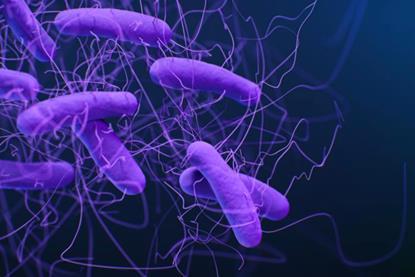
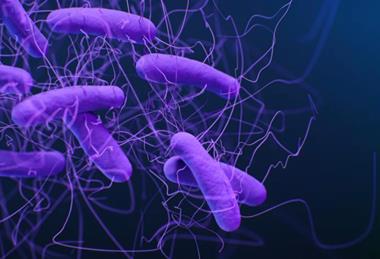
A natural compound takes aim at C. difficile while sparing the gut microbiome
Researchers identify argyrin B, a promising natural compound that targets the bacterium behind dangerous intestinal infections while leaving beneficial gut microbes largely unharmed. The discovery could pave the way for new treatments with fewer relapses and side effects.
Food security
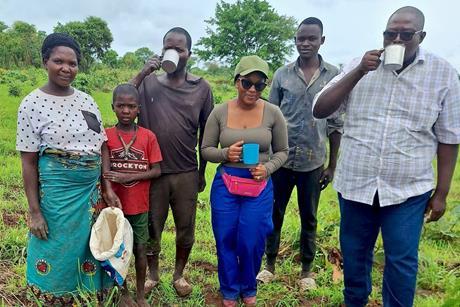
Wine-like terroir: Influence of wild plants results in distinctive microbial and flavour signatures in Munkoyo
Wild plants traditionally used as natural starter cultures for fermentation of Munkoyo, a traditional non/very low-alcoholic fermented cereal beverage consumed in parts of Africa, can influence not only the initiation of fermentation but also the microbial communities and flavour characteristics of the final beverage.
Clean Water
Fungi that colonise human faeces: first scientific study lays the groundwork for myco-sanitation
Filamentous fungi can colonise fresh human faeces, and the choice of fungal species shapes how the material changes, according to a new study. Depending on the species, the fungi accelerated degradation, reduced faecal indicator bacteria, suppressed faecal odour or changed the appearance of the material.
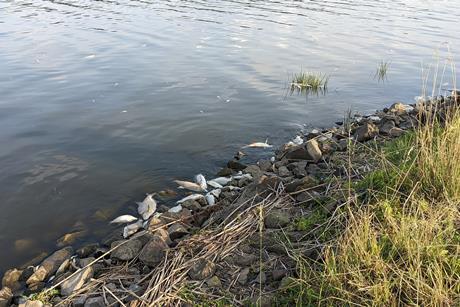


The gooier marine snow is, the better it is at transporting carbon, new study finds
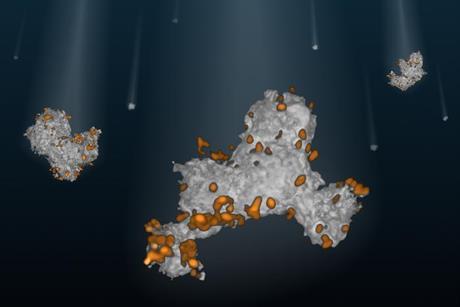
Scientists have revealed that the viscosity of marine snow can have a major impact on how quickly it’s broken down and how far it sinks, factors that influence how much carbon it transports to the deep ocean. They found that gooey marine snow can shuttle more than six times the carbon to the deep ocean than less viscous particles.